
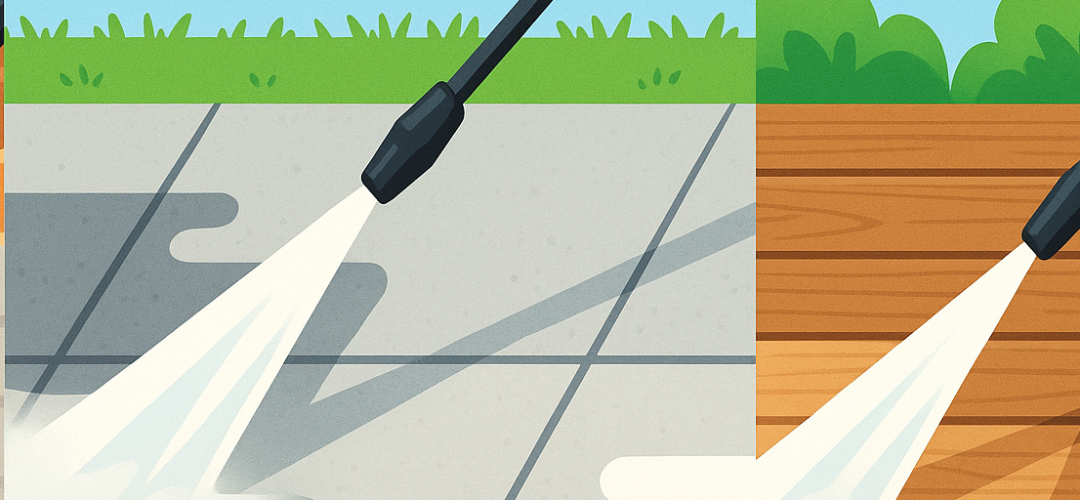
Jet washing is a popular method for cleaning various exterior surfaces, but is it safe for all materials? This FAQ guide answers common questions about the safety and effectiveness of jet washing on different surfaces.
1. What surfaces can safely be jet washed?
Jet washing is generally safe for hard surfaces like concrete, brick, and stone. It effectively removes dirt, grime, and algae, making it ideal for driveways and patios.
2. Are there surfaces that should not be jet washed?
Yes, delicate surfaces such as wooden decks, painted surfaces, and soft stone like limestone can be damaged by high-pressure washing. It’s best to use gentler cleaning methods on these materials.
3. How does jet washing affect painted surfaces?
High-pressure washing can strip paint or cause it to peel, especially if the paint is already deteriorating. It’s advisable to test a small area first and consider using a lower pressure setting.
4. Can jet washing damage my roof?
Jet washing can damage roofing materials, particularly tiles and shingles. It’s often safer to use a soft wash method with lower pressure to avoid dislodging tiles or causing leaks.
5. Is jet washing safe for car parks?
Jet washing is commonly used for cleaning car parks, as it can effectively remove oil stains, dirt, and debris without damaging the concrete or asphalt surfaces.
6. What about jet washing block paving?
Block paving can be safely jet washed, but care should be taken to avoid dislodging the blocks. Using a fan nozzle can help distribute the pressure evenly.
7. Can jet washing remove graffiti?
Yes, jet washing can effectively remove graffiti from various surfaces, including brick and concrete. However, some surfaces may require special treatment or lower pressure settings.
8. Is jet washing safe for natural stone?
Natural stone surfaces can be sensitive to high pressure. It’s advisable to use a lower pressure setting and a fan nozzle to minimise the risk of damage.
9. How often should I jet wash my exterior surfaces?
Frequency depends on the type of surface and environmental factors. Generally, once or twice a year is sufficient for most exterior surfaces to maintain cleanliness.
10. Can I jet wash my garden furniture?
Jet washing is not recommended for most garden furniture, especially if it’s made of wood or plastic, as it can cause damage. A gentle scrub with soap and water is usually better.
11. Is jet washing effective for cleaning fences?
Jet washing can clean fences effectively, but use caution with wooden fences, as high pressure can splinter the wood. A lower pressure setting is advisable.
12. What should I do before jet washing?
Clear the area of any furniture, plants, and debris. Inspect the surface for any cracks or damage that may worsen with high pressure.
13. Can jet washing remove mould and mildew?
Yes, jet washing is effective at removing mould and mildew from surfaces like driveways, patios, and walls. It’s advisable to use a suitable cleaning solution for best results.
14. Are there any safety precautions to take when jet washing?
Always wear protective gear such as goggles and gloves. Ensure electrical connections are safe and be cautious of slippery surfaces during and after washing.
15. What pressure is safe for different surfaces?
Generally, 1200-1500 PSI is suitable for concrete, while 500-800 PSI is better for softer materials. Always refer to the manufacturer’s guidelines for specific surfaces.
16. Can I jet wash my car?
Jet washing can be used on cars, but avoid high pressure on sensitive areas like the paint and windows. Using a lower pressure setting is recommended.
17. Is it environmentally friendly?
Jet washing can be environmentally friendly if used correctly, as it often requires less water than traditional cleaning methods. However, ensure proper disposal of any runoff.
18. What chemicals can be used with jet washing?
You can use biodegradable detergents designed for pressure washers. Avoid harsh chemicals that can harm the environment or damage your surfaces.
19. Can jet washing remove oil stains?
Yes, jet washing is effective at removing oil stains from concrete and asphalt surfaces, especially when combined with the right cleaning solutions.
20. How do I choose a jet washing service?
Look for a reputable service with experience and positive reviews. Ask about their techniques and whether they use safe pressure settings for different surfaces.
21. Can I rent a jet washer?
Yes, many hardware stores offer jet washer rentals. Ensure you receive proper instructions on usage and safety before operating one.
22. What is the difference between jet washing and pressure washing?
Jet washing and pressure washing are often used interchangeably, but jet washing typically refers to the use of high-pressure water jets, while pressure washing may involve varying pressures.
23. What are the benefits of hiring a professional for jet washing?
Hiring a professional ensures the job is done safely and effectively, with the right equipment and expertise to handle different surfaces without causing damage.
24. How do I maintain surfaces after jet washing?
Regular maintenance, such as sealing surfaces and removing debris, can prolong the cleanliness and integrity of your exterior surfaces after jet washing.
25. What is the best time of year to jet wash?
Spring and autumn are ideal for jet washing as the weather is generally mild, allowing surfaces to dry quickly and effectively without freezing or overheating.
If you have any questions about our commercial jet washing services, get in touch with our friendly team. We're always happy to help and provide expert advice or a free, no-obligation quote.
Call us: +44 7960 485 880